Progressive's second-quarter numbers do not mean an automatic California rate increase. They do mean California drivers should watch the next filing cycle: the carrier is still growing premium, but the documented margin movement and broader claims-cost data give actuaries more material to argue about rate adequacy if California loss trends remain firm.
The documented starting point is national, not California-specific. Progressive reported that second-quarter net premiums written rose 5% to $21.08 billion from $20.08 billion a year earlier, while net premiums earned rose 6% to $21.57 billion in the company release carried by Nasdaq. The company's direct complete earnings release is the original attachment behind that table. Insurance Business, in a separate market write-up, described the same event as premium growth with softer June underwriting margins tied to catastrophe pressure Insurance Business.
What is documented, and what is interpretation
Documented: Progressive grew written and earned premium nationally, and its reported combined ratio remained profitable even as June looked weaker than the quarter. The release table shows a 90.0 June combined ratio and an 87.3 combined ratio for the quarter, compared with 86.2 in the prior-year quarter. Those are companywide figures. They do not say what Progressive's California private-passenger auto book earned, lost, or needs next.
Interpretation: for California, the importance is not the single month. It is the combination of growth, profitable but less favorable margin, and a state rate system that requires the carrier to turn loss experience into a public filing before it can change most property and casualty rates. A carrier that is still expanding premium is not signaling withdrawal by itself. But if California severity or frequency is moving worse than approved rates assume, the company has a clearer actuarial reason to seek, defend, or revise a filing.
Why premium growth can still point to pressure
Premium growth has two different meanings. It can reflect more policies. It can also reflect higher average premium after previous approvals, coverage-mix changes, or a larger exposure base. For drivers, the risk is that written-premium growth can coexist with future rate pressure when claim severity keeps eating into the pricing cushion.
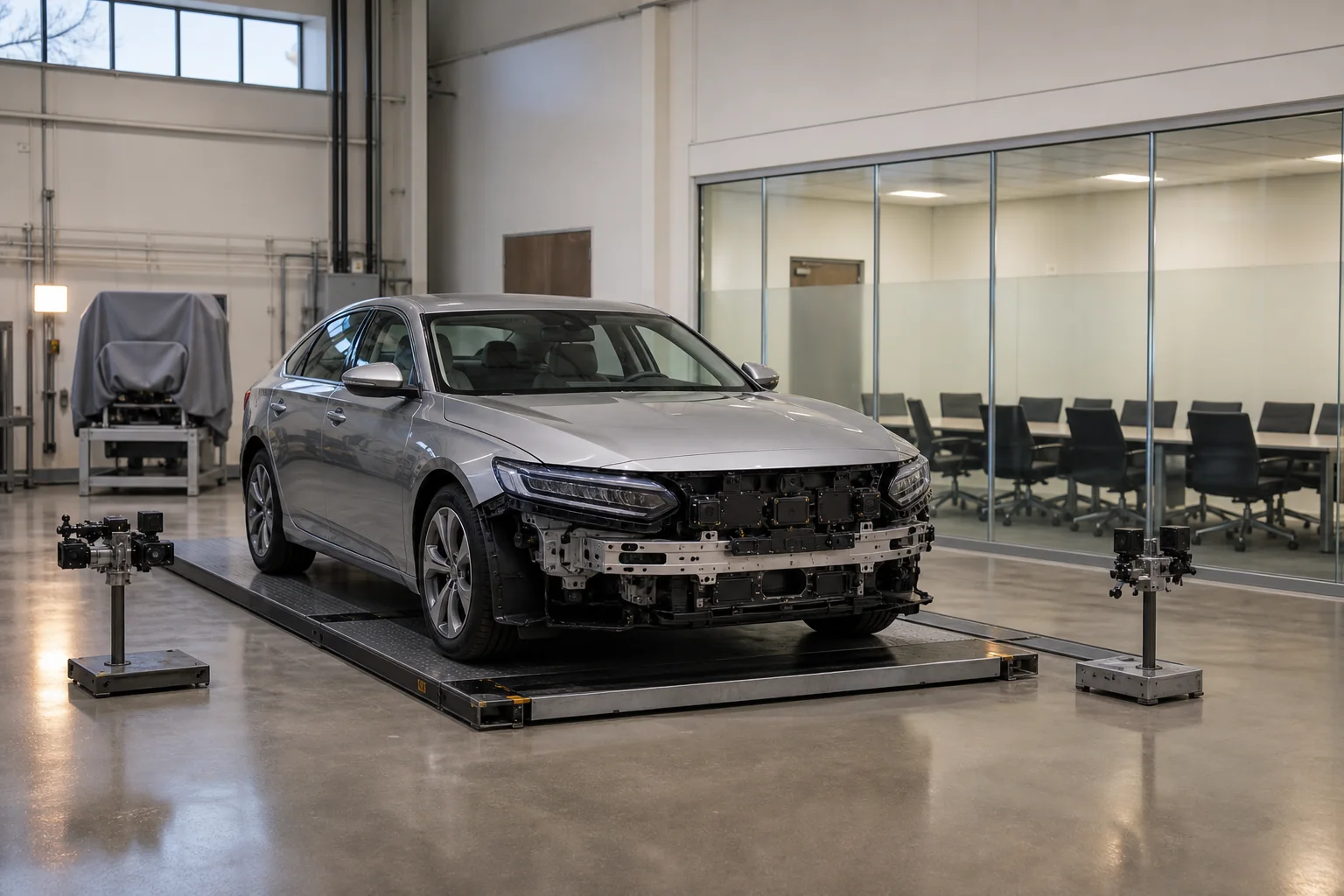
That is why the claims-cost backdrop matters. CCC's Crash Course report said total-loss frequency reached 23.1% of claims, average paid bodily-injury claim severity rose 10.3% year over year and 32% over four years, and 28.3% of repairable estimates included calibrations CCC Intelligent Solutions. Those figures are not Progressive-specific and not California-only. They do, however, document the industry cost pressures that make auto rate filings harder to dismiss as simple price taking.
The California layer adds another exposure change. SB 1107 changed the state's financial-responsibility floor for auto coverage and directed the Insurance Commissioner to solicit rate applications tied to that change California Legislative Information. The DMV currently lists minimum liability requirements of $30,000 for injury or death to one person, $60,000 for injury or death to more than one person, and $15,000 for property damage California DMV. That higher floor does not prove any particular driver's renewal will rise, but it is a documented coverage requirement that changes the base exposure insurers price.
How California changes the carrier playbook
In many states, a carrier can move more quickly from loss-cost evidence to implemented price. California's prior-approval structure changes that rhythm. CDI says property and casualty rate applications must be submitted electronically through SERFF, and its rate-filing page links to the public rate-filing search and rate-filing review process California Department of Insurance. CDI's Proposition 103 page says the commissioner must approve a rate before an insurer can use it and describes the consumer intervenor process that can bring technical challenges into rate proceedings California Department of Insurance.
That structure matters for availability as much as price. If carriers believe approved rates are lagging claim costs, they may file again, tighten underwriting appetite where rules allow, lean harder on segmentation in class plans, or slow growth in less attractive risk bands. If regulators believe national profitability shows room to absorb losses, they may scrutinize assumptions more aggressively. Neither side gets to rely on a headline alone; the California record has to show the loss trend, credibility, expense load, investment income treatment, and fair return logic behind the request.
What drivers should watch next
For policyholders, the practical signal is renewal-cycle risk, not an immediate bill. The next important evidence would be a California filing by Progressive or a related class-plan action, not just another national monthly result. Watch whether the filing argues that bodily injury, physical damage, total losses, repair complexity, or minimum-limit exposure are running above the assumptions embedded in current approved rates.
One practical test for consumers is whether the next notice from a carrier talks about statewide loss trend, class-plan updates, coverage-limit changes, or repair complexity rather than blaming a single headline. A broad national result can make investors comfortable while still leaving the California actuarial record contested. Conversely, a weaker month does not prove that approved rates are inadequate in California. The regulator will want state-specific experience, and intervenors can challenge assumptions about trend selection, expense allocation, and profit provision. That is why this event is best read as a watch item: it increases the relevance of Progressive's next California filing but does not replace the filing.\n\nThe bullish reading for drivers is that Progressive's companywide underwriting is still profitable, so this is not a panic signal. The bearish reading is that a carrier can remain profitable nationally while still needing more rate in a large, regulated state where claim mix, legal environment, coverage floors, and approval timing differ from the national book. Both readings can be true at the same time.
The best market interpretation is therefore narrow: Progressive's second-quarter report strengthens the case for watching California rate adequacy, but it does not document a specific California price increase. If loss costs stay elevated and filings show California-specific pressure, premium impact would most likely appear at renewal after CDI review, not as an overnight market move.
Compare California auto insurance options before your next renewal.