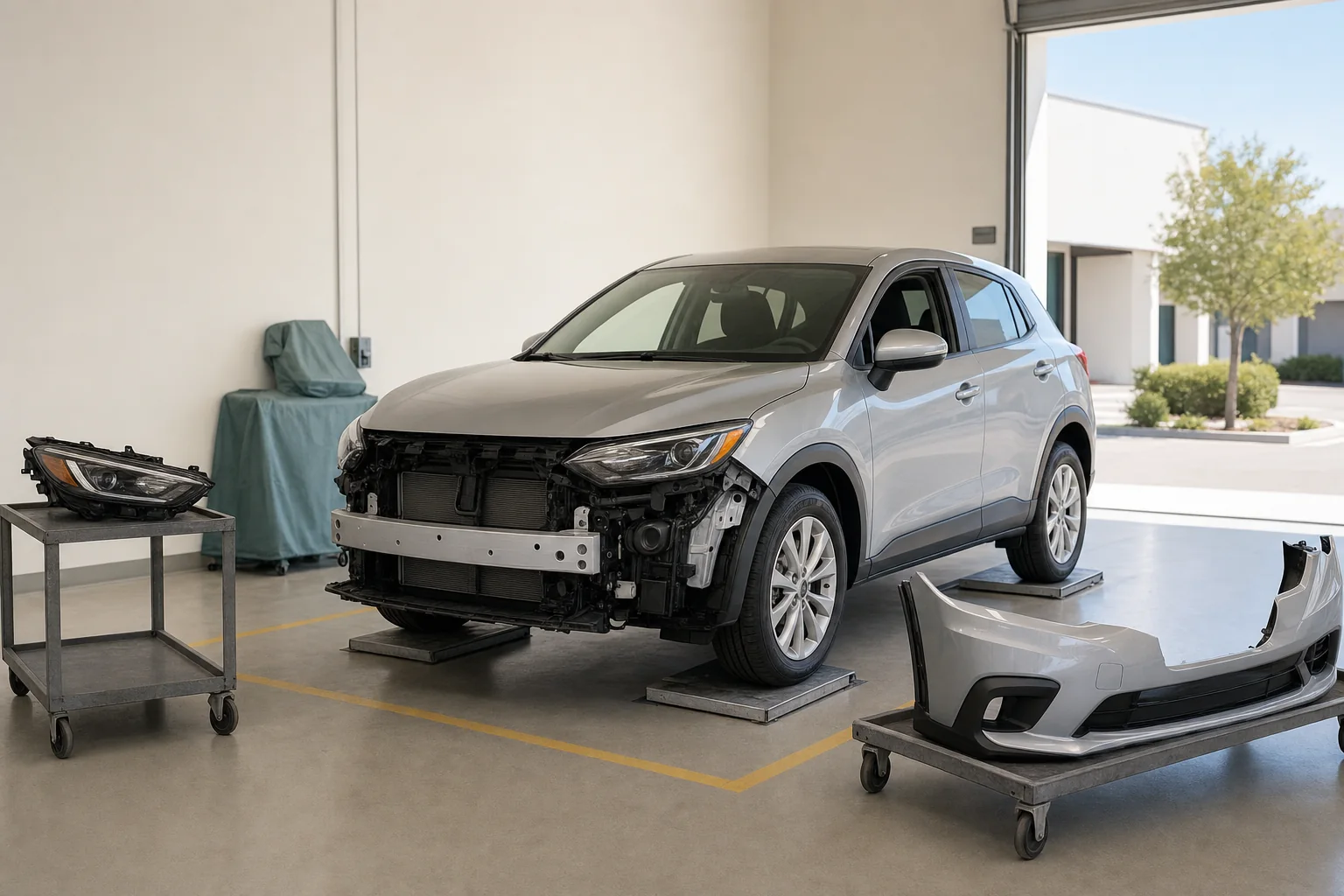
California auto insurance is entering a slower-rate-request phase, not a broad giveback phase. The documented fact is that average approved private-passenger auto rate increases cooled sharply in 2025; Insurance Journal reported, citing AM Best, that auto approvals averaged 3.7% in 2025 versus 9.7% in 2024, while homeowners approvals also fell to 8.3% from 13.5%. For California drivers, the market interpretation is narrower: smaller filings should reduce the odds of another shock renewal cycle, but they do not prove that any one household's premium will fall. The state's filing process, visible in public notices and prior-approval rules, still channels carrier decisions slowly from actuarial indication to renewal bill.
What The Filing Shift Actually Says
The useful reading is not that insurers suddenly have more generous pricing. It is that the catch-up period is losing force. After several years in which carriers used filings to repair margins, a smaller requested increase suggests that earned premium, underwriting restrictions, and loss trends are closer to balance. That is good news for premium stability, but it is not the same as a price cut.
The California angle matters because a national trend becomes a local consumer outcome only after filings clear a public regulatory path. CDI says personal auto prior-approval filings move through basic compliance review, public notice, a review window, possible intervenor activity, and either approval or a hearing decision. That structure can smooth abrupt carrier moves, but it can also delay when relief, or additional increases, reaches a renewal notice.
California's Pipeline Still Looks Active
The state record does not support a simple story that carriers are done adjusting. CDI's June 5 public notice workbook listed personal auto filings that included class plans, rule changes, withdrawal-program filings, and a new-program filing under auto liability and physical damage. That mix matters. A class plan can change how risks are sorted, a rule filing can change eligibility or rating mechanics, and a withdrawal-program filing can narrow where a carrier wants to compete. None of those is the same as a statewide average price order.
That is why the headline signal should be read as carrier behavior, not guaranteed consumer relief. When carriers file smaller rate changes, they may be saying their statewide indication is less urgent. They may also be saying they have already corrected part of the book, are targeting narrower risk cells, or are waiting to see whether claim severity continues to behave. California drivers feel those decisions unevenly.
Claims Costs Still Limit The Downside
The strongest argument against a quick premium reversal is claims cost. CCC's Crash Course 2026 report said total-loss frequency reached 23.1% of claims, paid bodily-injury severity rose 10.3% year over year and 32% over four years, and 28.3% of repairable estimates included calibrations. Those are not California rate filings, and they should not be treated as proof of a specific California premium. They are evidence that the cost base behind auto insurance remains harder than it was before the repair-complexity cycle.
That creates a split market. A carrier with improved loss experience can file less aggressively or compete for preferred risks. A carrier with concentrated urban exposure, high litigation severity, theft losses, or repair networks under pressure may still need more rate, tighter underwriting, or changes to rating variables. The premium impact is therefore more likely to show up as dispersion than as uniform relief: some renewal offers flatten, some rise mildly, and some drivers remain expensive to place.
Availability Is Not The Same As Price Relief
Availability is the part of the cycle many drivers miss. If carriers believe rate adequacy is closer, they can reopen quote flow, broaden eligibility, or spend more energy on profitable segments. That can make the market feel better even before premiums fall. The first sign is often not a discount. It is a carrier answering the quote request, accepting a household with a complicated vehicle mix, or offering optional coverages without as many constraints.
But availability can improve while individual prices remain stubborn. A carrier can want more clean-record business and still charge more for a household with a recent claim, a high-cost vehicle, or a ZIP code with difficult repair economics. The DOI filing trail is useful because it shows the mechanics of carrier behavior, but the renewal offer is the only policy-level test.
What Drivers Should Watch
The practical signal is the size and type of the filing, not the press-release tone around it. A smaller rate filing can still raise premiums. A class-plan filing can move price between driver groups even when the overall rate entry is modest. A new-program filing can improve availability without changing every existing policy. A withdrawal or rule-change filing can make shopping harder for a segment even if the statewide average looks calmer.
For policyholders, the renewal check should focus on four questions: did the carrier change the base rate, did the rating plan change, did discounts or eligibility change, and did the household's own risk score change because of mileage, vehicle, location, violations, claims, or coverage limits? The rate cycle is calmer only if the answer is favorable on the policy in front of you.
The Market Interpretation
The best interpretation is that California is moving from emergency catch-up to selective repricing. That is a healthier market than the peak-hike phase because carriers can spend more energy deciding where they want growth instead of simply repairing old losses. It also gives consumers a better shopping window: when carriers are no longer uniformly pushing for large increases, price differences across companies usually become more meaningful.
Still, the documented record does not justify promising lower premiums. The evidence supports a more careful conclusion: smaller average filings can slow the premium climb, but claim severity and California's filing timetable mean relief will be uneven, delayed, and carrier-specific. Drivers should treat a calmer filing environment as a reason to compare quotes, not as a reason to ignore the renewal.
Compare California auto insurance quotes before your next renewal notices settle into the new rate cycle.